
Historic Preservation
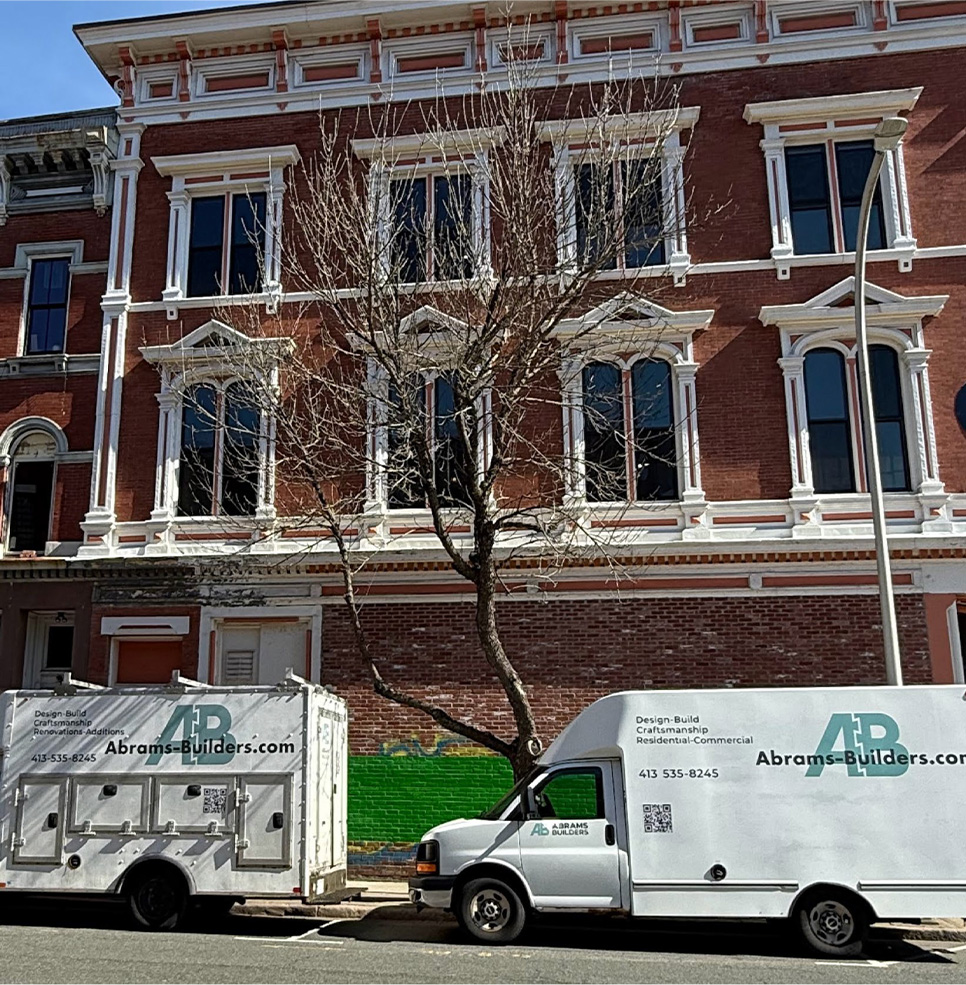
Why should we preserve historic furniture and buildings when the future seems headed toward high-tech materials and life in outer space? The high school students in Josh’s space club had thoughtful answers: they spoke of the beauty found in historic architecture, the tangible connection it provides to our families and past generations, and the valuable lessons it offers about how our ancestors built and maintained homes through harsh winters and hot summers. They added that these historic structures can even inspire us to rethink how new materials might deliver the same comfort and protection our species has always sought after emerging from caves. When we repair and rehang a hundred-year-old door, we feel a connection to the craftsman who worked on it a century ago.
Though we may rely on electric or battery-powered tools and fast-acting adhesives, we can’t help but admire the skill it took to achieve the same results with only a hand plane, a handsaw, and precise joinery that has endured longer than many of today’s glues. Preserved historic furniture and architecture embody centuries of refined design—carefully balanced proportions, thoughtful angles, and deliberate color choices. From the graceful taper of a table leg to the entablature of a civic building—the decorative horizontal structure composed of the architrave, frieze, and cornice that rests atop columns and supports the roof—these details shape our collective design heritage.
We can even recognize echoes of these timeless elements in the Starship Enterprise and, perhaps one day, see them in the homes built on the moon.


